Navigating Etiquette and Courtesy Troubleshooting: Tips and Tricks for a Polite Interaction
Category : |
Sub Category : Posted on 2024-10-05 22:25:23
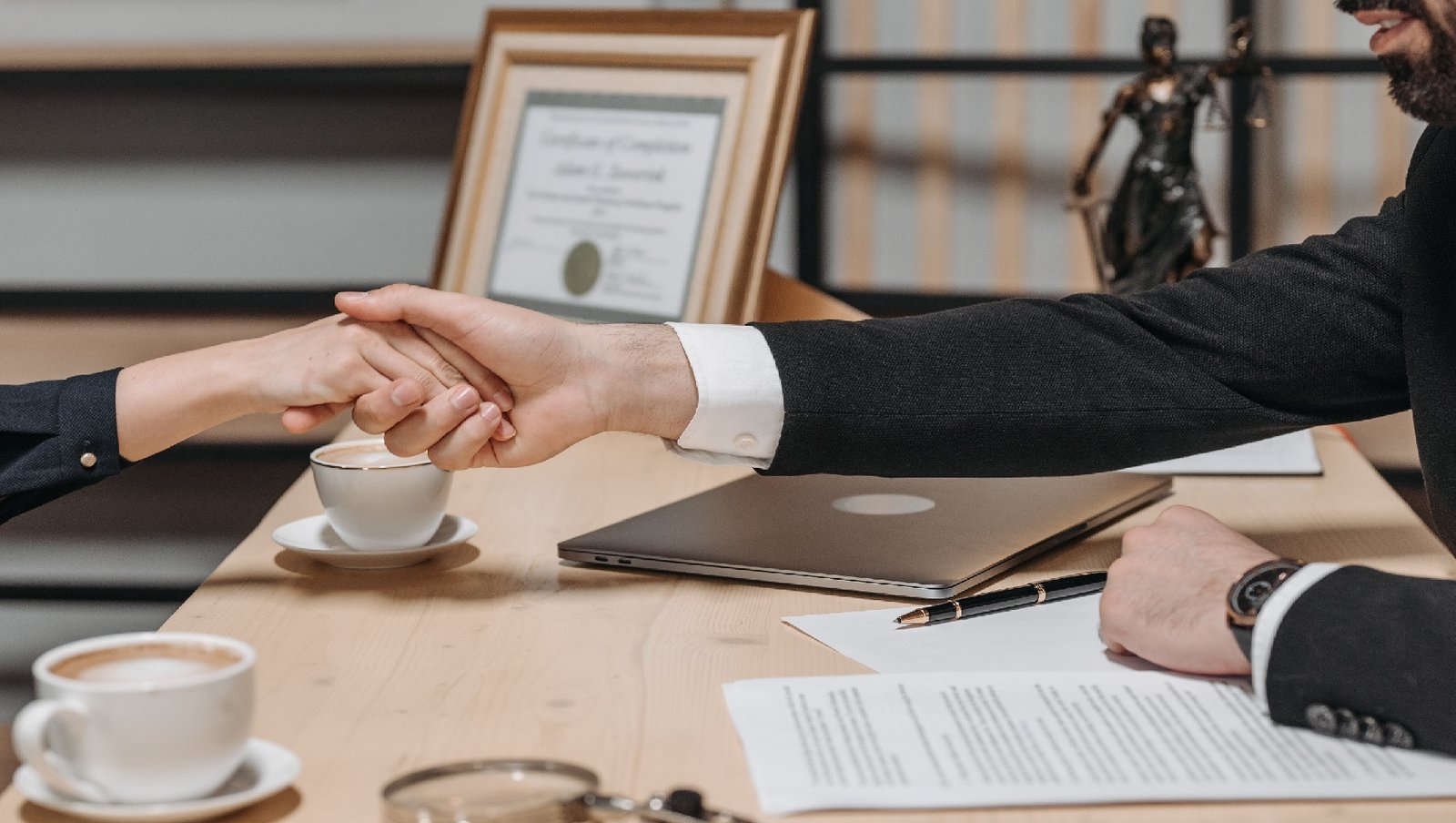
In our daily interactions, misunderstandings and conflicts can arise, often due to a lack of proper etiquette and courtesy. However, there are several tips and tricks that can help navigate such situations and ensure a polite and respectful interaction. Let's explore some helpful strategies for troubleshooting etiquette and courtesy issues: 1. Practice active listening: One of the most important aspects of maintaining etiquette and courtesy is being an active listener. Make sure to pay attention to the other person's perspective, show empathy, and avoid interrupting them. This simple act can prevent misunderstandings and demonstrate respect for the other person's thoughts and feelings. 2. Stay calm and composed: When faced with a challenging situation, it's essential to remain calm and composed. Avoid reacting impulsively or getting defensive. Instead, take a deep breath, assess the situation objectively, and respond thoughtfully. Maintaining your composure can help de-escalate tensions and promote a more respectful interaction. 3. Use polite language: The language we use plays a significant role in how we are perceived by others. When troubleshooting etiquette and courtesy issues, be mindful of your tone and choice of words. Opt for polite and respectful language, even when expressing disagreement or addressing a problem. A courteous approach can help diffuse conflicts and foster better communication. 4. Seek clarification: Misunderstandings often arise due to miscommunication or different interpretations of a situation. If you find yourself in a scenario where etiquette or courtesy is questioned, don't hesitate to seek clarification. Ask open-ended questions, paraphrase the other person's statements to ensure understanding, and clarify your own intentions. Clear communication is key to resolving conflicts and maintaining positive relationships. 5. Apologize when necessary: Acknowledging mistakes and offering a sincere apology is a fundamental aspect of demonstrating etiquette and courtesy. If you realize that you have inadvertently offended someone or breached social norms, don't shy away from apologizing. A genuine apology shows humility, empathy, and a willingness to rectify the situation, strengthening the bond between individuals. 6. Practice gratitude and appreciation: In troubleshooting etiquette and courtesy issues, don't forget the power of expressing gratitude and appreciation. Recognize the efforts of others, show gratitude for their time and assistance, and acknowledge their positive contributions. A simple "thank you" can go a long way in fostering goodwill and nurturing positive relationships. By incorporating these tips and tricks into your interactions, you can navigate etiquette and courtesy troubleshooting with grace and finesse. Remember that practicing empathy, respect, and open communication forms the foundation of a harmonious and respectful environment. Let's strive to cultivate a culture of politeness and courtesy in our interactions, contributing to a more positive and fulfilling social landscape. Expand your knowledge by perusing https://www.errores.org Explore this subject further for a deeper understanding. https://www.arreglar.org
https://excusa.org


