Mastering Diplomacy: Etiquette and Courtesy Troubleshooting
Category : |
Sub Category : Posted on 2024-10-05 22:25:23
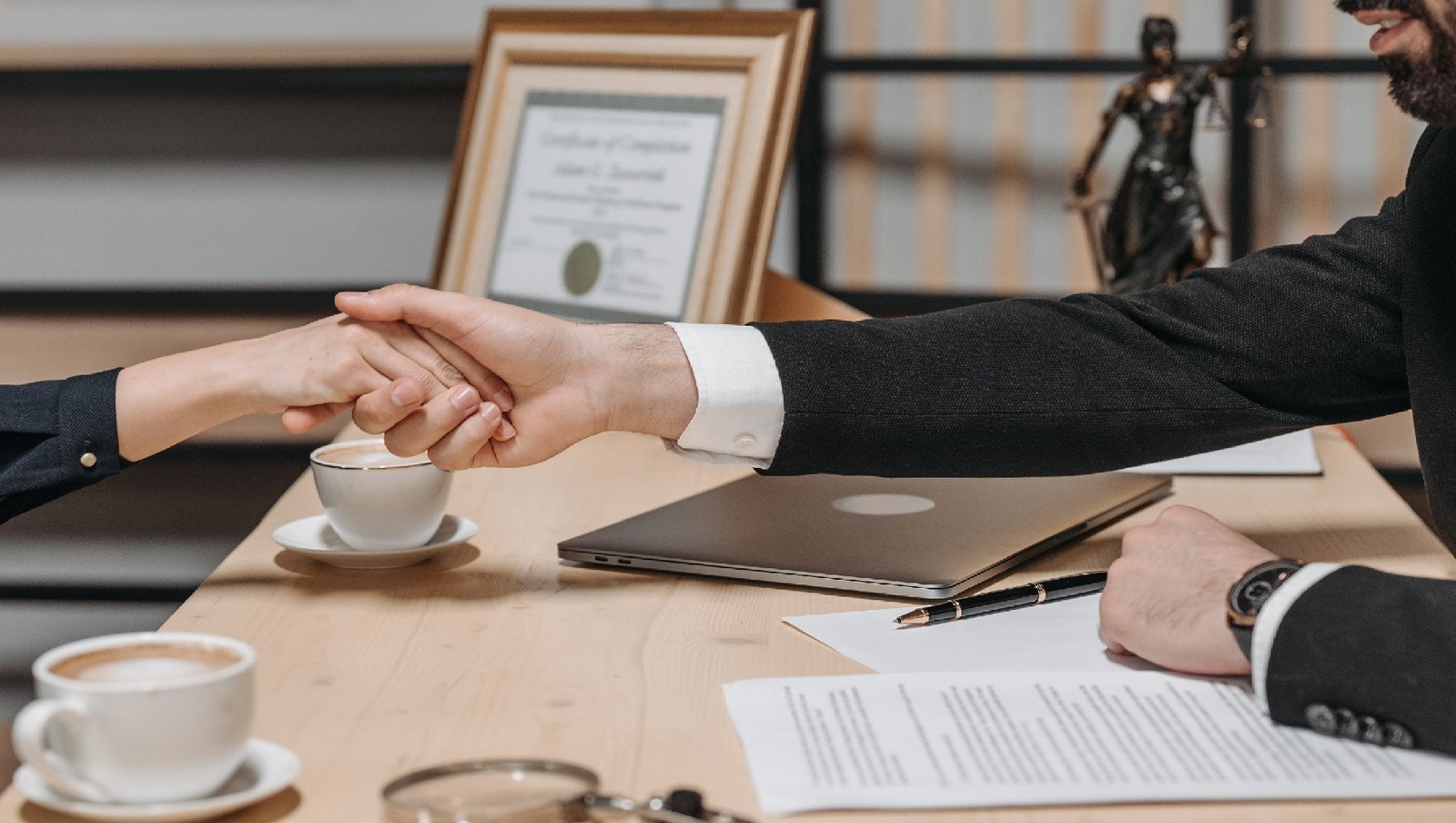
In the fast-paced and interconnected world of international relations, diplomacy plays a crucial role in maintaining peace and fostering relationships between nations. Diplomats are often tasked with navigating complex political landscapes and cultural differences to achieve common goals. Etiquette and courtesy are essential components of successful diplomacy, as they can set the tone for meaningful dialogue and cooperation. However, even the most seasoned diplomats may encounter challenges when it comes to maintaining decorum and handling tricky situations. In this blog post, we will explore some common etiquette and courtesy issues in diplomacy and provide tips for Troubleshooting them effectively. 1. Language Barriers: In diplomatic interactions, language barriers can pose a significant challenge, potentially leading to misunderstandings and miscommunications. To overcome this obstacle, diplomats should make an effort to work with professional interpreters and translators who can accurately convey their messages. It is also helpful to learn some basic phrases in the language of the host country as a sign of respect and goodwill. 2. Cultural Sensitivities: Different cultures have varying norms and customs when it comes to communication, gestures, and behavior. Diplomats need to be aware of these cultural sensitivities to avoid inadvertently causing offense. Researching the cultural practices of the host country and being open-minded and adaptable in their approach can help diplomats navigate these differences with grace and sensitivity. 3. Protocol Breaches: Diplomatic protocol dictates certain rules and formalities that must be followed during official interactions. Accidentally breaching protocol can be embarrassing and potentially damaging to diplomatic relationships. Diplomats should familiarize themselves with the specific protocols of the host country and be vigilant in adhering to them. When in doubt, it is always better to err on the side of caution and defer to established norms. 4. Conflict Resolution: Diplomatic negotiations can sometimes become tense, leading to conflicts and disputes. In such situations, it is important for diplomats to remain calm, respectful, and impartial. Listening actively, acknowledging the concerns of all parties, and seeking common ground are essential skills for effectively resolving conflicts and finding mutually acceptable solutions. 5. Maintaining Professionalism: Diplomats are representatives of their countries and must conduct themselves with professionalism and integrity at all times. This includes being punctual, dressing appropriately, and speaking and acting diplomatically in all interactions. Building trust and credibility through consistent and ethical behavior is key to successful diplomacy. In conclusion, diplomacy etiquette and courtesy are vital for building productive relationships and fostering cooperation between nations. By being mindful of language barriers, cultural sensitivities, protocol breaches, conflict resolution, and professionalism, diplomats can navigate the complexities of international relations with skill and grace. Troubleshooting etiquette and courtesy issues proactively can help prevent misunderstandings and strengthen diplomatic ties in an increasingly interconnected world.
https://excusa.org


