Diplomacy Etiquette and Courtesy in the Netherlands
Category : |
Sub Category : Posted on 2024-10-05 22:25:23
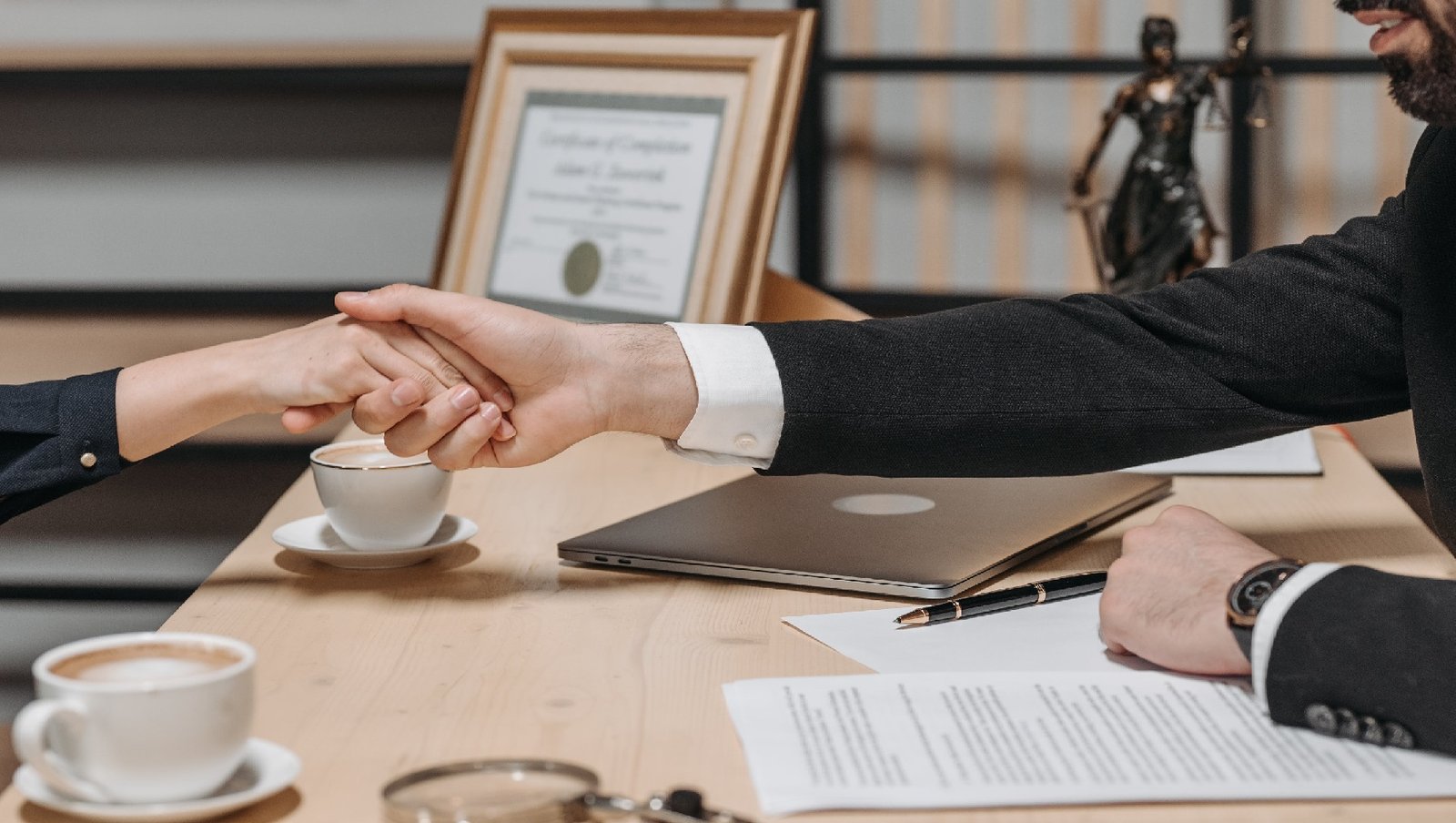
diplomacy plays a crucial role in maintaining international relations and fostering cooperation between nations. A key aspect of successful diplomacy is demonstrating proper etiquette and courtesy when interacting with representatives from other countries. Each country has its own unique customs and traditions when it comes to diplomatic protocol, and the Netherlands is no exception. When engaging in diplomatic relations with the Netherlands, it is important to be aware of the following etiquette and courtesy guidelines: 1. Addressing Officials: When addressing Dutch diplomats or officials, it is customary to use their academic or professional titles, such as "Mr." or "Mrs.," followed by their last name. It is considered polite to address individuals by their titles until given permission to use their first names. 2. Punctuality: Punctuality is highly valued in Dutch culture, so be sure to arrive on time for meetings and events. Arriving late without a valid reason can be perceived as disrespectful. 3. Greetings: When meeting someone for the first time, a firm handshake is the customary greeting in the Netherlands. Maintain eye contact and offer a friendly smile to convey warmth and respect. 4. Gift Giving: While it is not necessary to bring gifts when meeting with Dutch diplomats, if you choose to do so, opt for small, thoughtful gifts that reflect your country's culture. Avoid extravagant gifts, as they may be perceived as inappropriate. 5. Dining Etiquette: If invited to a meal or reception, wait to be seated and follow the lead of your host. Table manners are important in Dutch culture, so be sure to use utensils properly and engage in polite conversation during the meal. 6. Communication Style: Dutch diplomats value direct and honest communication. Be clear, concise, and respectful in your interactions, and be prepared to discuss a wide range of topics in a professional manner. 7. Dress Code: Dressing conservatively and professionally is expected when engaging in diplomatic activities in the Netherlands. Opt for business attire, such as suits and ties for men, and conservative dresses or suits for women. By adhering to these etiquette and courtesy guidelines when engaging in diplomatic relations with the Netherlands, you can demonstrate respect for Dutch culture and strengthen your diplomatic connections. Remember that building meaningful relationships with individuals from other countries requires understanding and appreciating their customs and traditions.
https://excusa.org


