Navigating Diplomacy Etiquette and Courtesy Contradictions
Category : |
Sub Category : Posted on 2024-10-05 22:25:23
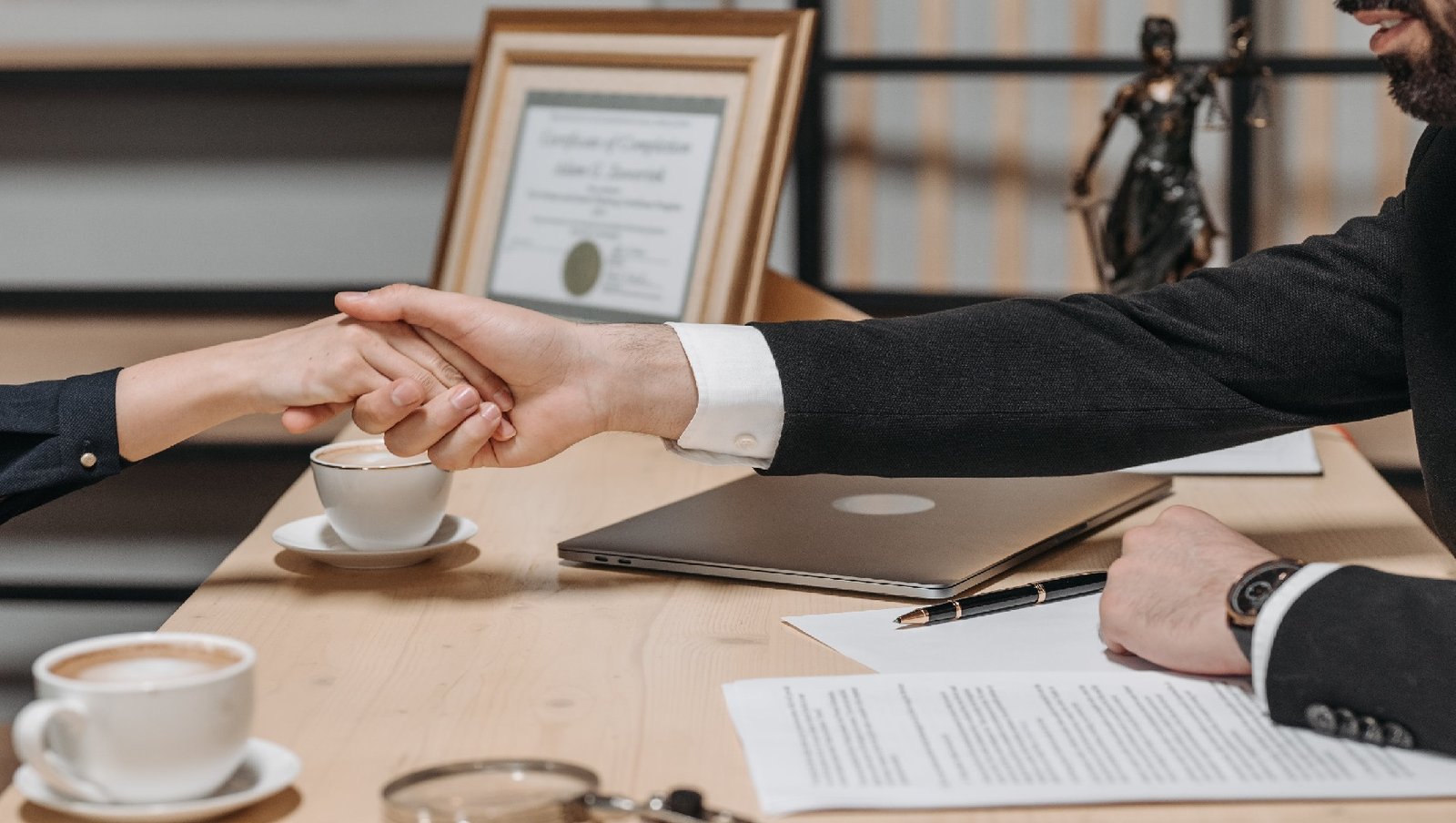
Introduction: diplomacy is a delicate dance of communication and negotiation between nations, organizations, or individuals. Maintaining etiquette and courtesy is paramount in diplomatic interactions to foster positive relationships and achieve common goals. However, at times, diplomacy etiquette and courtesy can present contradictions that require finesse and tact to navigate effectively. Understanding Cultural Differences: One of the most significant challenges in diplomatic interactions is the clash of cultural norms and values. What may be considered respectful in one culture could be seen as disrespectful in another. For example, while direct communication is valued in some cultures for clarity and transparency, it may come across as blunt or rude in cultures that prioritize indirect communication to maintain harmony. Balancing Assertiveness and Respect: Diplomats often face the dilemma of being assertive in advocating for their interests while maintaining respect for the other party. Striking the right balance between assertiveness and respect is crucial to avoid being perceived as aggressive or dismissive. Diplomats must assert their positions firmly yet diplomatically, acknowledging the perspectives of others and seeking common ground for mutual understanding. Managing Power Dynamics: Power dynamics play a significant role in diplomatic interactions, with hierarchies and status influencing the behavior of parties involved. Diplomats must navigate these power dynamics with sensitivity, ensuring that all parties feel valued and heard regardless of their position or influence. Upholding courtesy towards individuals of varying rank is essential in maintaining a harmonious and productive dialogue. Addressing Sensitive Issues: Diplomatic encounters often involve addressing sensitive and contentious issues that require careful handling. Maintaining courtesy while discussing challenging topics such as human rights violations, territorial disputes, or trade disagreements can be demanding. Diplomats must approach such discussions with empathy, active listening, and a willingness to find mutually acceptable solutions. Resolving Contradictions with Diplomatic Agility: In navigating diplomacy etiquette and courtesy contradictions, diplomatic agility is key. Being adaptable, open-minded, and empathetic can help diplomats successfully address challenges and bridge communication gaps. By demonstrating flexibility and a genuine commitment to constructive dialogue, diplomats can navigate contradictions with grace and professionalism. Conclusion: Diplomacy etiquette and courtesy contradictions are inherent in diplomatic interactions, requiring diplomats to employ strategic communication skills and cultural awareness. By understanding cultural differences, balancing assertiveness with respect, managing power dynamics, addressing sensitive issues, and demonstrating diplomatic agility, diplomats can navigate these contradictions effectively. Ultimately, upholding etiquette and courtesy in diplomacy is essential for building trust, fostering cooperation, and achieving mutually beneficial outcomes.
https://excusa.org


